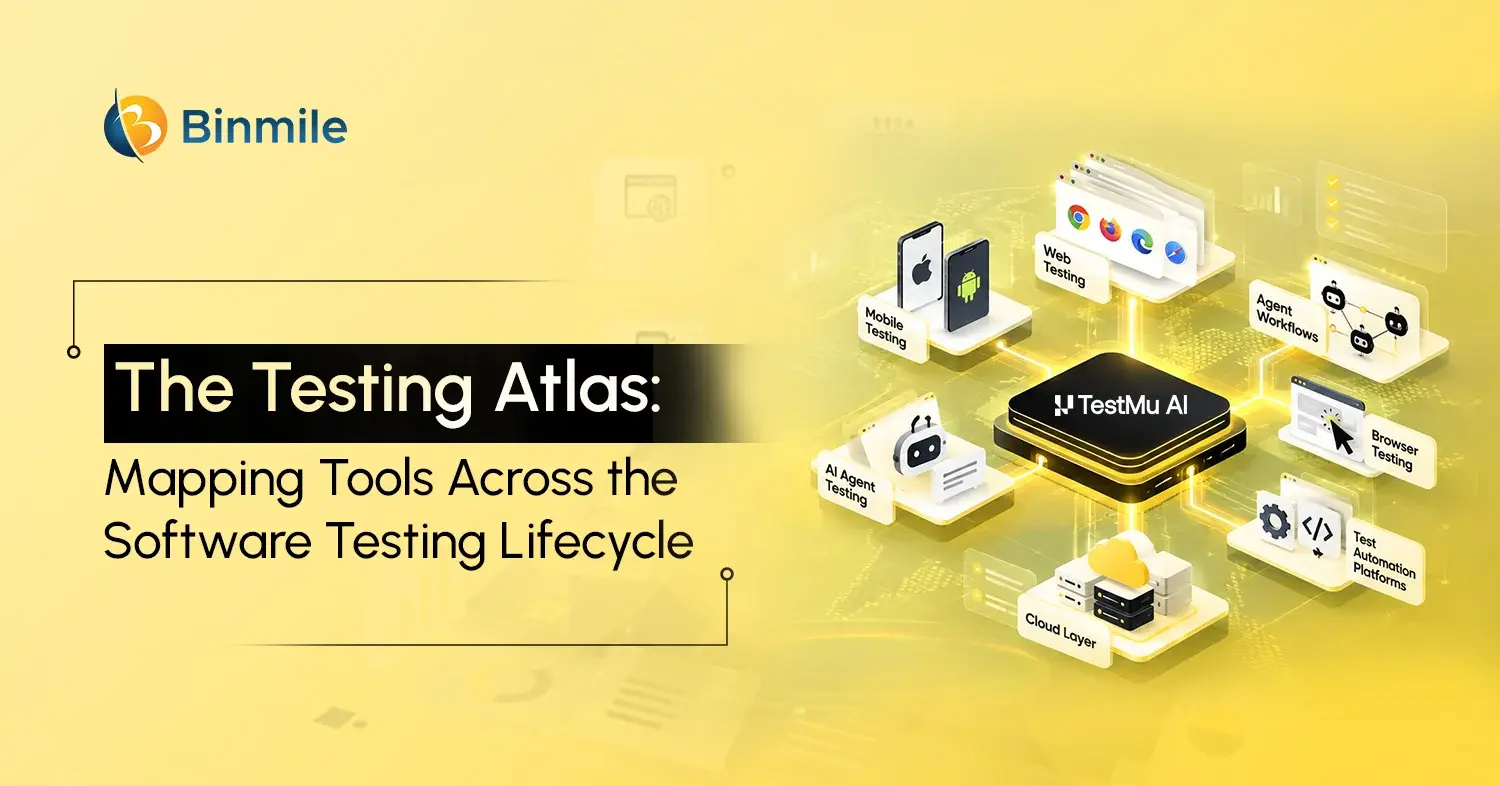
In the last decade, software testing has evolved at a faster pace. Manual and automated testing are two standard testing types around. As its name suggests, manual testing is a test procedure to identify bugs or defects in the software. It is done with a test plan but without the use of software or automated scripting. Contrary to this, automation testing is a testing procedure that helps detect and compare actual outcomes to anticipated outcomes.
It is used to automate repeated tasks performed by writing test scripts. White box and black box are two of the most common testing types. The former is a way to approach testing as a user, and the latter as a developer. When you inspect the source code and verify its functionality as per specifications, it is a white box. On the other hand, black-box testing gives you no access to the source code. The code produces only an external test interface. Peep into the World of Software Testing and learn more about software testing types, bugs, and tools to make the most out of software products.
Software Testing Types and Bugs You Need to Know
When we talk about the most common types of bugs, we indicate defects in the software. In the list of common bug types:
- Accessibility – The code fails to meet specifications for accessibility
- Business logic – There is some issue that is not following business requirements
- Integration – Two or more components do not function together
- Performance – Slow code or extra function execution by some actions
- Regression – Existing features are breaking owing to code updates
- Security bugs – Code vulnerability to security exploits
- UI bugs – Design specification and user interface do not match
Primarily, there are two types of software testing popular in the software industry. One is functional testing, and the other is non-functional testing. The former includes unit testing, integration testing, sanity testing, smoke testing, system testing, regression testing, and acceptance testing. On the other hand, performance, load, security, and usability testing are non-functional test types.
#1 Functional Testing Types
- Acceptance Testing – The testing ensures that you and your targeted audience get the desired results.
- Integration Testing – Combined modules are tested to produce an output and determine if there is a relationship between the hardware and software modules.
- Regression Testing – This testing ensures re-execution of cases to verify the proper functioning of the application’s previous code with no vulnerabilities.
- Sanity Testing – This relates to assessing the new version of the software for sufficient reliability in different testing phases.
- Smoke Testing – This is done to evaluate if the build deployed by the QA team is stable or not.
- System Testing – This testing takes the whole system through the testing phase as per requirements.
- Unit Testing – Testing individual units to evaluate developer-made issues and verify the production of desired results.
#2 Non-Functional Test Types
- Load Testing – It is related to understanding the app’s behavior under a particular projected load.
- Performance Testing – This testing type assesses the system’s compliance with recorded performance requirements.
- Security Testing – It exposes the vulnerabilities of the device regarding the safety of the system’s data and resources.
- Stress Testing – It verifies the stability and reliability of the system under heavy strain circumstances.
- Usability Testing- This testing type analyzes the user-friendliness of the GUI as per the needs of customer understanding.
Read This: Importance of ETL Testing
Software Testing Tools to Make Software Products Defect-free
1. API Software Testing Tools
These tools help to test REST/SOAP protocols
- JMeter
- Karate DSL
- Postman
- RapidAPI
- Rest-assured
- SOAPSonar
- SoapUI
- Tricentis
- WebInject
2. Automated Software Testing Tools
These tools automate functional and regression app testing
- ACCELQ
- Applitools
- Kobiton
- Parasoft Continuous Quality Suite
- QMetry Automation Studio
- QTP
- Qualibrate
- Ranorex
- Selenium
- TestComplete
- Testim
- TestProject
- Testsigma
- Water
- Worksoft
3. Cross-Browser Software Testing Tools
These tools help in cross-browser testing of your site
- Browser
- Browsershots
- CrossBrowser Testing
- Datadog
- EndTest
- GhostLab
- IE NetRenderer
- IE Tab
- LambdaTest
- Ranorex Studio
- SauceLabs
- Smartbear TestComplete
- TestingBot
4. CSS Validator Tools
These tools help web designers and developers check their CSS
- W3C CSS validator
- Telerik studio
5. Defect Tracking Tools
These tools help in defect/bug management
- Asana
- Bug Genie
- BugHerd
- BugNet
- Bugzilla
- Bugzilla
- DoneDone
- FogBugz
- Jira
- Mantishub
- Marker
- Red Mine
6. Load Testing Tools
These tools help performance/load test a site or application
- AgileLoad
- Apache JMeter
- Appvance
- BlazeMeter
- LoadFocus
- LoadImpact
- LoadNinja
- LoadRunner
- LoadView
- Silk Performer
- StormForge
- Walt
- Webload
7. Mobile Testing Tools
These tools automate Android or iOS app testing
- Appium
- Apptim
- Espresso
- ExperiTest
- Katalon Studio
- Kobiton
- Perfecto
- Robotium
- TestProject
8. Security Testing Tools
These tools detect security vulnerabilities
- Acunetix Vulnerability Scanner
- Iron Wasp
- NetSparker
- Nogotofail
- OWASP
- SonarQube
- SQLMap
- W3af
- Wapiti
- Wfuzz
- Zed Attack Proxy (ZAP)
Also Read: Quality in Software Testing Team
9. Test Management Tools
These tools organize the end-to-end test cycle
- Practitest
- PractiTest
- SpiraTest
- Test Collab
- TestFLO
- TestMonitor
- Testpad
- TestRail
- XQual
- Xray
- Zephyr Scale
- Zephyr Squad
Keep Reading: Playwright for End-to-End Web App Testing
Summing Up
There is a long list of software testing tools that help you get the best out of a software product. The above-shown software testing tools are the most popular in their categories. If you plan to launch a new software product in the market, you need to get the same product tested and validated by a competent and skilled software testing company.
Testing is part and parcel of the SDLC. It can not be taken for granted. That is why you need to knock on the door of an established software testing services provider in India that uses modern testing tools and techniques to make your software product defect-free.
Frequently Asked Questions
Software testing evaluates whether an application functions as expected and meets defined requirements. It helps identify defects, improve reliability, and reduce risks before software reaches users.
Common types include functional, integration, unit, regression, performance, security, usability, and acceptance testing. Teams select testing approaches based on application requirements and project risks.
Effective testing helps organizations detect defects earlier, improve application quality, reduce production risks, and deliver more reliable digital experiences.
The right approach depends on testing objectives. Automation works well for repetitive and regression testing, while manual testing remains valuable for exploratory and user-focused scenarios.
A software testing partner can assess your application, develop a risk-based testing strategy, automate suitable test cases, improve test coverage, and integrate testing into CI/CD workflows. This helps businesses release quality software faster while managing critical risks. Recent industry discussions also emphasize continuous validation and risk-based quality as software delivery accelerates.