In today’s competitive digital landscape, blockchain has emerged as a transformative technology for startups and enterprises alike. Industry leaders, from financial institutions like JP Morgan and Santander to tech giants like Microsoft and even national governments such as Singapore, Dubai, and Brazil, are actively leveraging blockchain’s potential. The growing interest in blockchain stems from its ability to enhance transparency, security, and efficiency across various sectors. Whether used for financial transactions, supply chain management, or data authentication, blockchain is paving the way for a decentralized future.
Why is Blockchain Gaining Widespread Adoption?
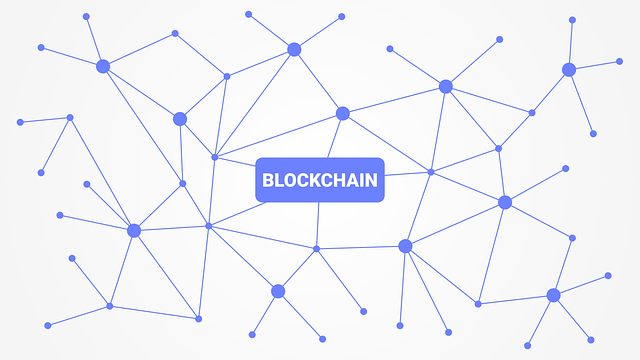
Blockchain’s rapid growth is driven by its core strengths: decentralization, transparency, and security. As a distributed ledger technology, blockchain eliminates the need for intermediaries, ensuring secure peer-to-peer transactions. Its immutable nature makes it highly resistant to tampering, reinforcing trust in digital interactions.
Moreover, blockchain provides enhanced security by encrypting data and distributing it across multiple nodes, making it nearly impossible for hackers to alter records. This characteristic is particularly beneficial for industries dealing with sensitive information, such as finance, healthcare, and government institutions. Additionally, the automation of processes through smart contracts reduces human errors and increases efficiency. Despite its advantages, blockchain adoption comes with challenges, including scalability and regulatory concerns. Business leaders must carefully evaluate their applications to maximize returns and efficiency while mitigating risks.
What are The Use Cases of Blockchain Technology?
1. Smart Contracts
Smart contracts are self-executing agreements stored on the blockchain. They automatically trigger actions when predefined conditions are met, eliminating the need for intermediaries such as banks or legal institutions. This reduces operational costs and speeds up transactions.
Industries such as real estate, insurance, and finance are already benefiting from smart contracts. For example, in real estate, smart contracts facilitate property transactions by ensuring that ownership transfers occur only when payment conditions are met, eliminating fraud and reducing paperwork.
2. Internet of Things (IoT)
IoT devices generate vast amounts of data, making them prime targets for cyberattacks. By integrating blockchain technology, businesses can enhance the security and integrity of IoT ecosystems.
Blockchain ensures data authenticity by providing tamper-proof records, reducing the risk of unauthorized access. For instance, in smart cities, blockchain can secure data generated by traffic sensors, surveillance cameras, and energy meters, ensuring transparency and preventing data manipulation.
3. Financial Transactions
Traditional financial transactions often involve intermediaries, leading to delays and increased costs. Fintech in blockchain is revolutionizing the financial industry by simplifying this process, enabling real-time, cost-effective cross-border payments, enhancing security, and reducing operational inefficiencies.
Cryptocurrencies such as Bitcoin and Ethereum are prime examples of blockchain-powered financial transactions. Additionally, central banks are exploring the concept of Central Bank Digital Currencies (CBDCs), which leverage blockchain for secure and efficient monetary transactions.
4. Trade Finance
International trade involves complex documentation and verification processes. Blockchain streamlines these operations by providing a transparent and immutable ledger, reducing the risk of fraud and delays.
Companies can use blockchain to digitize letters of credit, invoices, and customs documents, ensuring seamless cross-border transactions. This enhances trust between trading partners and improves overall efficiency.
5. Supply Chain & Logistics
Blockchain enhances supply chain transparency by enabling real-time tracking of goods from production to delivery. This reduces counterfeit risks and ensures product authenticity.
Major retailers and logistics providers are using blockchain to track shipments, verify product origins, and optimize inventory management. For example, Walmart leverages blockchain to trace food products, ensuring food safety and compliance with regulations.
6. Healthcare
The healthcare industry deals with massive amounts of sensitive data, including patient records, prescriptions, and insurance details. Blockchain ensures secure storage and seamless sharing of medical records between authorized entities.
Patients gain greater control over their health data, allowing them to grant access to doctors and insurance providers without intermediaries. Blockchain also enhances clinical trials by ensuring data integrity and preventing fraudulent manipulation of research findings.
Beyond these applications, blockchain also plays a crucial role in data authentication, recordkeeping, and smart contract execution, further solidifying its impact across industries.
Planning a Blockchain Project for Maximum ROI
To ensure a successful blockchain project, businesses must assess key blockchain capabilities such as tokenization, decentralized identity, smart contracts, and distributed ledgers.
A crucial question to ask is: How can my business benefit from decentralization? Unlike traditional business models with multiple intermediaries, decentralized app or networks reduce costs and streamline processes. Blockchain-based solutions enhance transparency and security, fostering trust among stakeholders. However, businesses must carefully evaluate their needs to determine if blockchain is the right fit.
Additionally, organizations should conduct thorough feasibility studies, identify use cases, and develop a strategic implementation plan. A well-defined roadmap, covering technical requirements, resource allocation, and compliance considerations, is essential for maximizing ROI and ensuring long-term success.
Addressing Blockchain Scalability Challenges
Scalability remains a concern in public blockchain networks due to high computational requirements. For instance, Visa processes around 24,000 transactions per second, whereas Ethereum currently handles only about 20.
While blockchain scalability is improving, businesses can adopt private blockchain solutions like IBM’s Hyperledger Fabric, which offers enhanced transaction speed, security, and access control.
Furthermore, scalability solutions such as layer-2 protocols, sharding, and off-chain processing are being developed to address these challenges. These innovations aim to increase transaction throughput while maintaining security and decentralization.
Building a Strong Blockchain Development Team
While blockchain expertise is in high demand, most blockchain applications require skills similar to traditional web development. However, having blockchain specialists on board is essential for guiding the project toward success.
A skilled team should include blockchain developers, smart contract engineers, cybersecurity experts, and UI/UX designers. Additionally, collaborating with experienced blockchain consultants can provide valuable insights and help navigate technical complexities.
What Are The Key Components for Blockchain Development
Selecting the right technology stack is crucial for the success of any blockchain project. Unlike traditional software development, blockchain applications require specialized tools, frameworks, and programming languages to ensure security, scalability, and efficiency. A well-chosen tech stack not only facilitates seamless integration with existing systems but also enhances the performance and reliability of blockchain applications.
1. Blockchain Platforms
These serve as the foundation of your application. Popular choices include:
- Ethereum: A widely used platform for decentralized applications and smart contracts.
- Hyperledger Fabric: Ideal for enterprise solutions with permissioned blockchain networks.
- Binance Smart Chain (BSC): Known for its low transaction fees and fast processing times.
- Polkadot: It enables interoperability between multiple blockchain networks.
2. Smart Contract Development Tools
Writing and testing smart contracts require robust tools like:
- Solidity: The primary programming language for Ethereum-based smart contracts.
- Vyper: An alternative to Solidity, known for its simplicity and security.
- Rust: Used for Solana and Polkadot smart contract development.
3. Development Frameworks
These frameworks simplify blockchain application development:
- Truffle: A development environment for Ethereum smart contracts.
- Hardhat: Offers advanced debugging and testing features for Solidity.
- Brownie: A Python-based framework for Ethereum smart contract development.
4. Blockchain Infrastructure Providers
Infrastructure tools ensure smooth deployment and scalability:
- Alchemy & Infura: Provide reliable API access to Ethereum and other networks.
- QuickNode & Moralis: Offer node hosting and blockchain data indexing.
- IPFS (InterPlanetary File System): A decentralized storage solution for blockchain data.
5. Security & Auditing Tools
Security is paramount in blockchain development. Essential tools include:
- MythX: A security analysis platform for Ethereum smart contracts.
- OpenZeppelin: Provides reusable security components for Solidity.
- CertiK & ChainSecurity: It offers professional auditing services for blockchain projects.
6. Integration & Interoperability Solutions
Ensuring seamless communication between blockchain and traditional systems:
- Chainlink: A decentralized oracle network that connects smart contracts with real-world data.
- Cosmos SDK: Enables interoperability between different blockchain networks.
- The Graph: Allows indexing and querying of blockchain data efficiently.
How to Choose the Right Stack for Your Business Needs?
When selecting a blockchain tech stack, businesses should consider:
-
Scalability Needs
Public blockchains like Ethereum face scalability issues, whereas private blockchains like Hyperledger Fabric offer controlled environments with higher efficiency.
-
Security Requirements
Applications handling sensitive transactions should prioritize security tools and rigorous auditing.
-
Cost & Resource Availability
Some blockchain platforms and tools have higher development and maintenance costs, impacting the overall budget.
-
Integration with Existing Systems
Ensuring smooth connectivity with enterprise databases, cloud services, and APIs is crucial for operational efficiency.
By carefully assessing business objectives and technical requirements, organizations can build blockchain solutions that are scalable, secure, and future-proof. A blockchain application needs seamless integration with existing systems. Popular tools and frameworks include:
- Truffle, Hardhat, and Brownie for blockchain development
- Alchemy for blockchain infrastructure support
- Solidity for writing smart contracts
Selecting the right tech stack depends on business goals, project scope, and required integrations. Factors such as scalability, interoperability, and security must be considered when choosing blockchain platforms and development tools.
What Makes a Blockchain Project Successful?
A well-defined roadmap aligning technical needs with business objectives is crucial for blockchain success. Key questions to consider include:
- How much data storage is needed for seamless operations?
- Does my business experience transactional slowdowns?
- Do I require third-party authorization for data control?
A clear vision, combined with proper risk assessment and continuous optimization, ensures the long-term viability of a blockchain project.
Conclusion
Building a solution with Blockchain involves creating shared, immutable, and distributed ledger technology that records transactions and tracks assets, both physical (i.e., real estate, money) and nonphysical assets (i.e., copyrights) within a network.
Considering the challenges in Blockchain development, mostly decentralization and scalability, we gather it requires a proper understanding and insights into what you are going to build and aligns with your business goals.
Do not forget to ask yourself some vital questions, such as –
- How much data storage would I need for a seamless workflow? Do I need a dedicated place to store data?
- Is my business suffering from a transactional slowdown?
- Do I require third-party authorization for data control and authentication?
We have discussed some fine points about what you should ask before you consider building a Blockchain solution.
Also, if you are looking for a trusted partner that can help you walk through the processes regarding Blockchain app development, consider Binmile a qualified resource. We are a distinguished brand of global repute in the field of software and application development services. Tech assistance provided by us to thousands of clients from different industrial verticals helped them bring forth automated efficiency in their business operations, build stunning apps, and improve business visibility.
Frequently Asked Questions
Businesses should evaluate their operational challenges, data-sharing requirements, security concerns, and transparency goals to determine whether blockchain can deliver measurable value compared to traditional technologies.
Organizations should assess scalability requirements, integration complexity, regulatory compliance, implementation costs, stakeholder adoption, and expected business outcomes before making a blockchain investment.
Common challenges include high implementation costs, interoperability issues, regulatory uncertainty, scalability limitations, change management concerns, and the need for specialized technical expertise.
Businesses can improve implementation success by defining clear objectives, selecting the appropriate blockchain framework, conducting feasibility assessments, ensuring compliance readiness, and partnering with experienced blockchain development specialists.
A blockchain development partner can help organizations validate use cases, reduce implementation risks, accelerate deployment, ensure security and compliance, and build scalable solutions aligned with long-term business goals.